 Skip to content
Electric Gates: Convenience Meets Security Explained
Choosing the right fencing or gate system is more than an aesthetic decision—it’s a matter of safety, convenience, and long-term value. Many homeowners and property managers are researching modern solutions that can balance secure boundaries with easy access. Electric gates: convenience meets security is a phrase you’ll hear often, but what does it really mean for you, especially in the dynamic climates of Chicago, Illinois?
In this in-depth guide, we’ll break down what electric gates are, how they work, and why they’re becoming a preferred choice for both homes and businesses. We’ll explore the real trade-offs, discuss the latest technology, provide practical maintenance tips, and outline what to expect from the installation process. By the end, you’ll be able to make an informed decision about integrating electric gates into your property—and understand how Chicagoland Fence Pros can help every step of the way.
Understanding Electric Gates: What, Why, and How
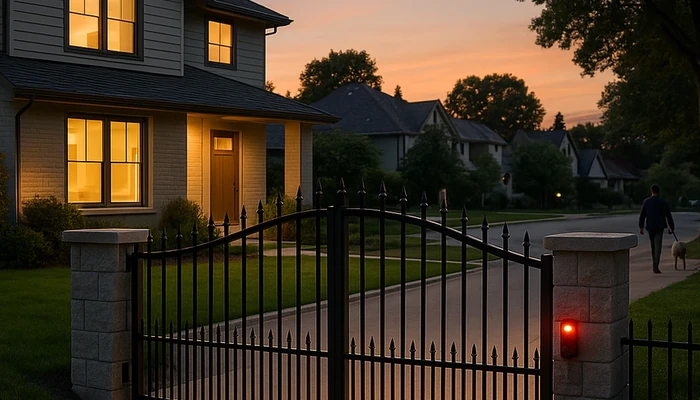
Electric gates—also called automatic or motorized gates—are driven by a mechanism that opens and closes remotely. Usually constructed from materials like steel, aluminum, or wrought iron, they provide controlled access with the touch of a button, keypad entry, smartphone app, or remote device.
- Convenience: Open and close gates without leaving your vehicle or stepping outside in adverse weather.
- Security: Control who can enter or exit via encrypted codes, smart cards, or even biometric scanners.
- Durability: Designed to withstand Chicago’s hot summers and icy winters (with proper materials and finishes).
- Curb Appeal: Modern designs enhance home and business exteriors while meeting local code requirements.
Electric gates are suitable for both residential driveways and commercial entry points, providing solutions tailored to a wide array of property types.
Types of Electric Gates: Which Best Suits Your Property?
Sliding Gates
Perfect for driveways with limited space, sliding gates move horizontally along a track. They’re ideal for narrow lots or where snow/drift can block swinging gate movement.
Swing Gates
Swing gates are hinged like traditional doors and can be designed as single or double panels. They require more clearance but offer a classic, elegant look.
Bi-Folding Gates
These gates fold inward on themselves, allowing for quick operation and a smaller footprint. They’re often chosen for busy commercial properties or where speed is a must.
Vertical Lift and Pivot Gates
Less common in residential settings but useful in commercial security applications, these gates lift or pivot upward, conserving horizontal space while offering robust security.
| Gate Type | Space Needs | Security Level | Best For |
|---|---|---|---|
| Sliding | Low | High | Narrow or sloped driveways |
| Swing | High | Medium–High | Traditional properties |
| Bi-fold | Medium | High | Limited space, fast operation |
| Vertical Lift/Pivot | Very Low | Very High | Commercial/Industrial |
Smart Technology Integration: Beyond Basic Entry
Modern electric gates do much more than open and close. Companies like Chicagoland Fence Pros can integrate your system with:
- Smartphone controls and scheduling
- Video intercoms and security cameras
- Access logs for tracking entries/exits
- Package drop box alerts
- Biometric scanners or license plate readers in advanced setups
These features transform a simple entrance into a secure, user-friendly access point—ideal for monitoring deliveries, visitors, or service personnel with ease.
For more on how technology is changing fence and gate solutions, see our post on How Automated Gate Systems Work.
Best Materials for Electric Gates: Balancing Strength and Style
Material choice affects not only appearance but also durability, cost, and ongoing maintenance. Here’s what to consider:
- Steel: Exceptionally strong and secure, recommended for maximum security. Hot-dip galvanizing can greatly extend lifespan—learn more about this process at galvanizeit.org.
- Aluminum: Lighter and naturally rust-resistant. Well-suited for residential gates and can be powder-coated for additional protection. Discover material pros and cons at Choosing the Best Fence Materials Based on Climate.
- Wrought Iron: Classic look, very sturdy, but requires periodic maintenance to prevent rust.
- Composite or Vinyl: Used for increased privacy; lower maintenance but not ideal for high-security applications or Chicago’s harshest winters.
For extra weather resistance, hot-dip galvanizing coats steel with protective zinc (what is zinc?), creating a barrier against moisture and corrosion.
Benefits of Electric Gates: More Than Just a Barrier
- Increased Security: Deters unauthorized access with automatic locking and customizable entry options.
- Added Convenience: Control access without leaving your home, office, or vehicle.
- Property Value: Well-installed electric gates can boost curb appeal and resale value. See Benefits That Can Have a Positive Impact on Property Value for more insights.
- Privacy: Blocks unwanted visitors and screens your property from the street.
- Safety: Keep children and pets inside, while limiting vehicle access to your property.
For a broader discussion, our guide Benefits of Installing an Electric Gate covers more use cases and practical tips.
Electric Gate Installation: What to Expect
Site Assessment and Design
Professionals begin by evaluating the site—measuring slopes, drive width, and structural support points. They’ll review local Chicago, Illinois codes and consult with you on security priorities and preferred controls.
Foundation and Power
A stable concrete pad (for posts or tracks) is essential. Gate motors need a reliable power supply, sometimes requiring new wiring or battery backup.
Hardware and Controls Mounting
Motors, sensors, access panels, and safety features (like auto-reverse for obstacles) are installed and synchronized for smooth operation.
Testing and Tuning
Every system gets tested for full open/close cycles, emergency stops, and remote/app connectivity. Quality installers walk you through operation and troubleshooting before completion.
Electric Gate Costs: Budgeting and Factors That Matter
Costs for electric gates vary based on:
- Type/size of gate
- Material choice (steel, aluminum, etc.)
- Motor/power system capacity
- Smart technology integrations
- Site preparation needs (grading, electrical access)
- Optional add-ons: video, intercom, backup batteries
In the Chicago, Illinois area, plan for a minimum investment of several thousand dollars for a basic single gate, with custom automation and security features increasing costs proportionally. Always request transparent, itemized quotes—and remember: investing in quality pays over the long term for both security and reduced headaches.
For a detailed breakdown, see our article on Evaluating Fencing Installation Costs.
Maintaining Your Electric Gate: Preventative Care for Longevity
Electric gates are robust but require routine maintenance, especially with Chicago’s changing seasons:
- Lubricate moving parts as recommended by your installer
- Keep tracks free of debris, ice, or snow
- Inspect wiring, safety sensors, and control panels periodically
- Watch for rust or finish deterioration—touch up as needed
- Test all access controls (remotes, keypads, sensors) regularly
Consider scheduled professional maintenance at least once a year to catch issues early and keep your gate performing as expected. Check out our Maintenance Tips for Your Electric Gate for more advice.
Safety and Compliance: Keeping Everyone Protected
Safety is crucial. Well-designed electric gates include auto-reverse sensors, manual release in emergencies, and proper signage. Homeowners in Chicago, Illinois must also adhere to local building codes and may require permits—always verify with municipal offices or a professional like Chicagoland Fence Pros.
ADA compliance is recommended—see our compliance overview. For children and pets, consider additional fencing, such as chain link safety solutions.
Common Challenges and Realistic Expectations
Electric gate systems offer impressive benefits, but it’s important to set honest expectations:
- Weather Impacts: Extreme cold, snow, or flooding can slow or impede gate motors without proper preparation.
- Power Loss: Most gates can be operated manually or with battery backup, but always review emergency procedures with your installer.
- Maintenance: All mechanical systems need care—plan for regular inspection rather than “set-and-forget.”
- Security Balance: While gates are a deterrent, no system is 100% foolproof. Combine with other security measures for best results.
Addressing these common issues upfront helps ensure your investment meets your goals now and in the future.
Internal Comparison: When to Choose Electric Gates Over Manual Options
Electric gates truly shine where security and convenience are both priorities. If your property sees frequent visitors, has valuable equipment or vehicles, or you want streamlined control over large perimeter access, electric gates are worth strong consideration.
| Feature | Electric Gate | Manual Gate |
|---|---|---|
| Remote Operation | Yes | No |
| Security Level | High | Medium |
| Installation Cost | Higher | Lower |
| Maintenance | Annual or as needed | Minimal mechanical |
| Technology Integration | Smart features available | None |
| Suitable For | Frequently accessed, high-security areas | Low-traffic, small properties |
Still uncertain? Our comparison guide explores when each option makes the most sense.
FAQs: Electric Gates for Security, Convenience, and Property Value
1. Are electric gates worth the investment?
For properties valuing convenience, increased security, and curb appeal, electric gates are often a worthwhile investment. Many in the Chicago, Illinois area report added peace of mind and enhanced property value.
2. How long does a typical installation take?
Most residential electric gates are installed within 2–4 days (weather permitting), but complex commercial projects may take longer, especially if extensive site preparation is required.
3. Can electric gates be retrofitted onto an existing manual gate?
Sometimes, yes. Retrofitting is possible if the gate structure is sound and compatible with automation hardware. An assessment by a professional like Chicagoland Fence Pros is recommended.
4. Do electric gates work during power outages?
Many systems feature manual override or battery backup. However, always check your model and review emergency procedures during installation.
5. What are the most secure entry methods?
Keypad entry, remote controls, smart app access, and video/audio intercoms are common. High-security sites may use biometric scanners or license plate readers.
6. How often should maintenance be performed?
Basic checks (clearing debris, testing controls) should be monthly, with professional servicing 1–2 times per year, especially after harsh weather.
7. Are electric gates difficult to repair?
Most issues, such as worn gears or faulty controls, can be addressed by trained technicians. Routine maintenance helps prevent major repairs.
8. Is permitting required in Chicago, Illinois?
Yes, most local jurisdictions require permits for electric gate installation. Always consult your city’s zoning and building department before starting work.
9. Will an electric gate work in extreme Chicago winters?
Properly designed and maintained gates work reliably, although extreme cold or snow may require additional protection or servicing. Choose weather-rated components for best performance.
10. Can electric gates increase my home’s value?
Yes. Electric gates add to both aesthetic appeal and perceived security, making your property more attractive to future buyers or tenants.
Next Steps: Is an Electric Gate Right for You?
As you weigh options for secure, convenient property access, remember that electric gates offer a range of benefits. From elegant designs that boost curb appeal to the peace of mind of controlled entry, these systems are a smart addition to many Chicago, Illinois properties.
Want help assessing your property’s unique needs? Request a consultation on automatic security gates and get expert recommendations—no obligation. For more on other fencing solutions, explore our residential fence options or see our commercial installations.
Smart, secure, and visually distinctive—electric gates truly let convenience meet security. For tailored advice or to start your project, trust the local experience of Chicagoland Fence Pros.
About Chicagoland Fence Pros
Chicagoland Fence Pros is a professional fence company with over 15 years installing fences in the Chicago, Illinois area. Our experienced team serves both homeowners and businesses, specializing in all types of fencing—wood, vinyl, aluminum, steel, and advanced security solutions. Licensed, fully insured, and focused on code-compliant installations, Chicagoland Fence Pros is committed to honest advice, clear quotes, and lasting results for every project.
fence companies in chicago, pool fence chicago, residential backyard fence, residential backyard fence Elmhurst, residential backyard fence Lakeview, residential fences Oak Lawn, residential backyard fence Plainfield, residential fence repair River Forest, dog fence Lockport, residential backyard fence North Edgebrook
