 Skip to content
Revitalizing Your Garden with a Wooden Fence: A Complete Homeowner’s Guide
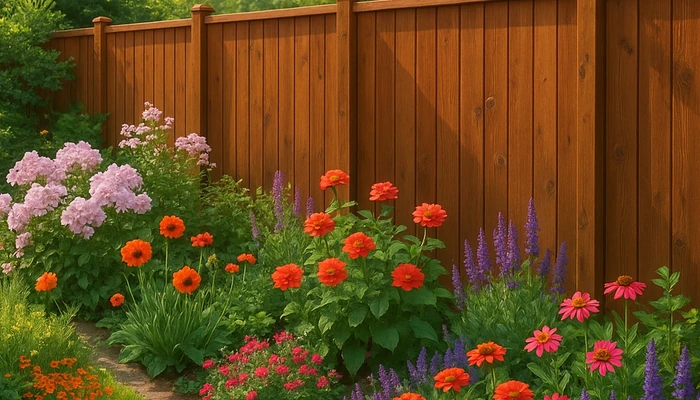
Your garden is more than an outdoor space – it’s an extension of your home, a place for relaxation, and a reflection of your personal style. Exploring ways to revitalize your garden with a wooden fence can seem daunting, especially with so many material choices, privacy considerations, and local regulations. In the Chicago, Illinois area, where weather and neighborhood characteristics play a significant role, choosing the right wooden fence is crucial. This practical guide will walk you through everything you need to know, from understanding wood fence benefits and varieties, to maintenance, realistic trade-offs, and expert tips. By the end, you’ll feel confident about planning a garden fence project tailored to your needs, with practical insights from long-time professionals like Chicagoland Fence Pros.
Why Consider a Wooden Fence for Your Garden?
Wooden fences have long been favored for their natural beauty, versatility, and ability to seamlessly integrate with almost any landscape. When revitalizing your garden with a wooden fence, you gain both functional and visual value.
- Aesthetic Appeal: Wood provides warmth, charm, and timeless appeal that most synthetic materials can’t match.
- Versatility: Wooden fences are highly customizable – from classic picket to full privacy, lattice-topped to rustic styles.
- Eco-Friendly Options: Responsibly sourced wood and eco-conscious treatments make it a sustainable choice (see the APA – The Engineered Wood Association for more).
- Budget Range: Suitable options exist for both modest and expansive budgets.
- Local Character: Especially in Chicago neighborhoods, wooden fences blend with historic and contemporary homes alike.
Before making your decision, it’s important to review the specific goals for your space—are you after increased privacy, pet safety, or boosting curb appeal? Determining the primary function helps narrow down design options.
Types of Wooden Fences for Garden Spaces
Wooden fences come in a wide variety of styles, each offering different advantages. Below, we compare common types for residential gardens:
| Fence Style | Best For | Privacy/Security | Maintenance |
|---|---|---|---|
| Picket | Front gardens, curb appeal | Low to Moderate | Low to Moderate |
| Solid Board/Privacy | Backyards, full privacy | High | Moderate |
| Shadowbox | Neighbours, shared boundaries | Moderate | Moderate |
| Lattice Top | Decorative touch, gardens | Moderate | Moderate |
| Post & Rail/Split Rail | Large gardens, open space | Low | Low |
For design inspiration, see our creative wood fence design ideas guide.
Choosing the Right Wood Species
The longevity and appearance of your wooden fence depend greatly on the wood species selected. In the Chicago, Illinois area, common options include:
- Cedar: Naturally resistant to rot and insects, beautiful grain, but needs sealing for best durability.
- Pressure-treated Pine: Economical and widely available; treated for better weather resistance but prone to warping if not well maintained.
- Redwood: Premium aesthetic and durability; less common due to cost and sourcing in the Midwest.
- Spruce: Affordable and easy to customize. Needs regular sealing and checking for moisture issues.
For tips on selecting the best wood for your needs, read our analysis of ideal types of wood for fencing.
Balancing Privacy, Security, and Aesthetics
Revitalizing your garden with a wooden fence involves considering trade-offs between security, privacy, light, and visual impact. Depending on your priorities:
- Privacy: Opt for solid board or shadowbox styles. Taller fences (6–8 ft.) provide more screening but may have height restrictions.
- Security: Height and structural strength matter. Consider reinforced wood posts for better perimeter security. For high-security needs, see automatic security gates options.
- Aesthetics: Decorative tops, cap boards, and paint/stain colors influence curb appeal. Review ways to enhance your fence’s natural beauty.
Navigating Local Regulations and HOA Rules
Before installing any garden fence, homeowners are strongly encouraged to check local regulations, permitting requirements, and HOA guidelines:
- Chicago building codes specify maximum fence heights, set-back requirements, and acceptable materials.
- Some HOAs have guidelines on style, height, color, and placement.
- Always confirm property boundaries and discuss plans with neighbors to avoid disputes.
The municipal regulations on wood fences resource breaks down common local rules.
Realistic Cost Expectations: Materials, Labor, and Permitting
Garden fence costs can vary widely:
- Materials: Wood species, fence height, and style are major factors.
- Labor: Installation complexity (e.g., sloping ground, obstacles) impacts labor fees. Professional installation is recommended for durability and code compliance.
- Permits: Most municipalities require a fence permit; fees and processing times vary.
- Ongoing Costs: Maintenance (staining, sealing, repairs) should be budgeted annually.
Example ranges (estimates only, subject to local conditions):
- Picket/lower privacy fences: $25–$40 per linear foot installed
- Premium wood/high privacy: $45–$70 per linear foot installed
- Repairs/refinishing: $200–$800 per project, based on scope
Always get a personalized quote for wood fence installation in Chicago for accurate pricing.
Essential Steps in Wooden Fence Installation
- Site Prep and Measurement: Mark property lines, remove obstructions, and ensure underground utilities are clear.
- Post Installation: Posts should be set in concrete for Chicago’s freeze-thaw cycle. Depth and spacing are crucial for stability.
- Panel or Board Attachment: Secure with galvanized fasteners to prevent rust. Align levels for a clean look.
- Finishing Touches: Sand rough edges, install gate hardware, and apply sealant or paint.
Consider hiring a professional for code-compliant, durable results, especially in challenging weather conditions.
Maintaining Your Garden’s Wooden Fence Year-Round
Proper care ensures your investment lasts.
- Clean annually with mild soap and water to remove dirt and mildew.
- Inspect for loose boards, rot, or pests each season.
- Reapply stain or sealant every 2–3 years to protect against moisture and UV rays. See autumn wood fence care tips.
- Keep landscaping trimmed back to prevent trapped moisture.
- Address minor repairs promptly to avoid bigger issues. Our wood fence maintenance guide provides actionable tips.
Enhancing Functionality with Accessories and Add-Ons
Accessories can improve both looks and longevity:
- Post caps (prevent water infiltration, add style)
- Decorative panels for privacy or visual interest
- Gate hardware upgrades for security
- Trellises or planter boxes for extra greenery
Explore more accessories in our handy fence accessory guide.
Eco-Friendly and Sustainable Wood Fencing
Many homeowners in Chicago are seeking green solutions. Options include:
- Sourcing FSC-certified wood or reclaimed materials
- Choosing low-VOC stains/sealants
- Recycling old wood fence panels responsibly
Learn more about responsible sourcing through APA Wood Resources.
Common Mistakes to Avoid When Installing a Wooden Garden Fence
- Ignoring property lines or local codes
- Skimping on post depth or support in Chicago’s heavy winters
- Choosing the cheapest wood without considering maintenance needs
- Neglecting regular care—it shortens lifespan significantly
- Not factoring in possible root or drainage issues during installation
Frequently Asked Questions
- How long does a properly maintained wooden fence last in Chicago?
- With quality materials and proper care, expect 15–25 years. Regular cleaning, sealing, and repair are key, especially in harsh Midwest climates.
- What fence height should I choose for my garden?
- Garden fences typically range from 4 to 6 feet. For privacy, most opt for 6 ft; always check city and HOA regulations first.
- Are wooden fences pet-friendly and secure?
- Yes, when designed with close-set boards and proper gates. See related advice in our dog-friendly wood fence guide.
- What’s better for longevity, painting or staining?
- Staining usually lasts longer in Chicago weather, allowing the wood to breathe and offering good moisture protection.
- Can I install a wooden fence myself?
- DIY is possible but labor-intensive. For best results (especially for longer fences or variable terrain), consider professional help for proper installation and code compliance.
- How do wood fences compare to vinyl or composite?
- Wood offers a natural look and lower up-front cost but requires more maintenance than vinyl or composite fencing. Each has pros and cons—see a detailed comparison here.
- Can I mix wood with other materials?
- Absolutely—combining wood with metal posts or infill panels can boost strength and lifespan without losing natural beauty.
- What permits do I need for a wooden fence in Chicago?
- Most residential fences require a permit. Requirements vary, so check your local Chicago municipality’s website before starting your project.
- How often should I inspect or maintain my wood garden fence?
- Visually inspect every spring and fall, perform light cleaning as needed, and reseal/stain every 2–3 years for best performance.
- Are wooden fences eco-friendly?
- When built from responsibly sourced or reclaimed wood and with sustainable finishes, wooden fences are a greener alternative to many synthetic options.
Summary and Next Steps
Revitalizing your garden with a wooden fence combines aesthetics, privacy, and timeless charm, especially when planned with realistic expectations and local codes in mind. Whether you’re seeking an intimate retreat or adding property value, wood remains an adaptable choice—just remember to assess your needs, budget, and maintenance capabilities. If you’d like tailored advice or a quote for your garden, connect with our specialists.
For more fence insights and maintenance tips, browse our resources on preserving wood fence beauty and alternative wood treatments.
Inspired to refresh your garden or want advice on matching fence designs to existing architecture? Don’t hesitate to contact Chicagoland Fence Pros for an honest, experienced perspective.
About Chicagoland Fence Pros
Chicagoland Fence Pros has over 15 years of expertise serving homeowners and businesses in Chicago, Illinois and surrounding communities. Specializing in wood, vinyl, aluminum, and steel fencing for residential and commercial properties, the team is committed to clear education, transparent quotes, and durable, code-compliant installations. Licensed and insured, Chicagoland Fence Pros provides honest advice and solutions tailored to each property’s needs.
fencing contractors chicago, Chicago Commercial Wood Fence, Industrial Wood Fence Chicago, wood fence replacement Andersonville, wood fence repair Lake Bluff, wood fence repair Wheeling, custom wood fence Winnetka, wood fence Burr Ridge, wood fence in the city of Glencoe, wood fence styles Lake Zurich
