 Skip to content
Benefits Of Reinforced Wood Fences: An In-Depth Guide for Homeowners and Property Managers
Choosing the right fence for your property can feel overwhelming, especially with the wide range of materials, designs, and construction methods available today. While traditional wood fences remain popular for their natural charm, many Chicago, Illinois homeowners and property managers are curious about the benefits of reinforced wood fences. These fences promise improved strength, longer lifespans, and increased security—ideal for those seeking serious privacy and protection without sacrificing curb appeal. In this detailed guide, you’ll discover what sets reinforced wood fencing apart, how it performs in Chicago’s climate, key considerations before installation, care tips, and honest advice from the local experts at Chicagoland Fence Pros. By the end, you’ll have the insights you need to confidently evaluate if a reinforced wood fence fits your needs and your property.
What Is a Reinforced Wood Fence?
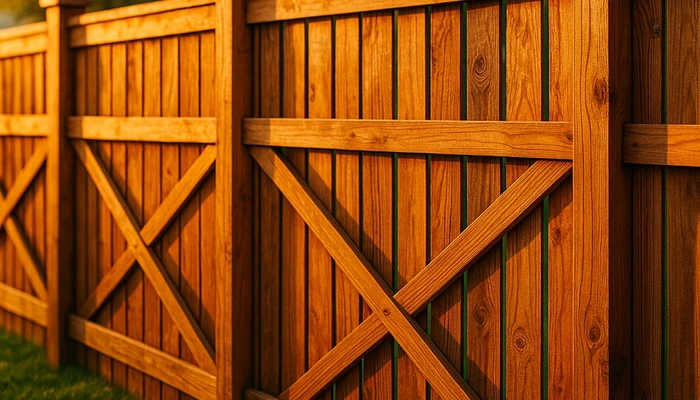
A reinforced wood fence blends the beauty of traditional wooden panels with structural enhancements designed to boost its performance. Reinforcement methods typically include added metal posts, steel channels, upgraded fasteners, or internal cross-bracing—each tailored to address weaknesses in classic wood construction.
- Metal posts or rails: Usually steel or galvanized, used in place of or alongside wood posts to prevent leaning, rotting, and wind damage.
- Hidden steel channels: Concealed inside or attached to panels for added stability.
- Upgraded hardware: High-quality screws, brackets, and hangers resist loosening, shifting, and corrosion.
- Pressure-treated or engineered wood: Selected for strength and resistance to climate stressors.
Unlike standard wood fences that rely solely on wooden posts and rails, reinforced wood systems offer a hybrid solution—retaining the warmth and natural appeal while using modern materials for substantially better longevity and resilience.
Why Choose a Reinforced Wood Fence?
For homeowners and property managers weighing their options, the benefits of reinforced wood fences extend well beyond appearance. Let’s explore how they stack up in everyday use and in the unique climate of Chicago, Illinois.
1. Superior Durability
Traditional wood fences are vulnerable to warping, splitting, and wind damage over time—especially in areas with freeze/thaw cycles, heavy storms, or soggy soil. Reinforcements address these common weaknesses. Steel posts, for instance, don’t rot or shift and can anchor an entire fence line even as surrounding wood weathers.
2. Improved Security & Privacy
Reinforced construction helps fences resist being kicked, climbed, or blown over—making them a smarter perimeter barrier against intruders or stray animals. Property managers can rely on reinforced wood’s added strength for multi-unit sites, playgrounds, or commercial properties, while homeowners appreciate peace of mind for families and pets.
3. Greater Longevity & Lower Total Cost of Ownership
While the upfront investment is higher than a basic wood fence, a reinforced wood fence typically lasts 5–15 years longer, especially with regular maintenance. Combined with fewer repair needs and less frequent full replacement, the lifetime cost can be significantly lower.
4. Enhanced Performance in Chicago’s Climate
The Midwest’s fluctuating seasons are notorious for taking a toll on outdoor structures. Reinforced wood fences are better equipped to handle:
- Wind gusts over 60 mph
- Frequent freeze/thaw cycles that loosen posts and stress joints
- Moisture and humidity that contribute to rot
- Snow loads and soil movement in spring
Chicagoland Fence Pros has installed hundreds of reinforced wood fences designed precisely for these local challenges.
5. Customization & Aesthetic Flexibility
Today’s reinforced systems come in nearly any wood style—privacy, shadowbox, board-on-board, dog-eared picket, and more. Upgrading to steel-reinforced rails or posts doesn’t mean sacrificing classic wood charm or curb appeal. In fact, discreet reinforcements can actually help maintain the straight, “finished” look of a new fence for longer.
Comparison: Reinforced Wood Fences vs. Standard Wood & Other Materials
To help you make an informed decision, here’s a quick side-by-side look at how reinforced wood compares to standard wood and other popular materials. Actual lifespans and costs can vary—always consult a professional for project-specific recommendations.
| Feature | Standard Wood | Reinforced Wood | Vinyl | Chain Link | Aluminum |
|---|---|---|---|---|---|
| Typical Lifespan | 8–15 years | 15–30 years | 20–35 years | 15–25 years | 30+ years |
| Strength/Resistance | Low–Moderate | High | Moderate–High | Moderate | High |
| Maintenance Required | Moderate–High | Low–Moderate | Low | Low | Low |
| Cost (Installed) | $$ | $$$ | $$$–$$$$ | $–$$ | $$$–$$$$ |
| Design Flexibility | High | High | Moderate | Low | Moderate |
| Eco-Friendliness | Moderate | Moderate–High | Varies | Low | Moderate |
If you’re interested in how wood compares to other types of fencing, see this in-depth comparison of wood fences and other materials.
Reinforcement Methods: What Are Your Options?
The right reinforcement strategy depends on desired lifespan, budget, aesthetics, and use case. Common types include:
- Steel Post Reinforcement: Metal posts installed in concrete, typically hidden behind or inside wood sleeves. Vastly increases resistance to shifting and decay.
- Steel Channel or H-Brace: Internal, horizontal metal rails attach wooden pickets, distributing force across the fence and minimizing warping.
- Metal Fasteners and Brackets: Rust-resistant, high-strength screws and hardware for long-term hold.
- Pressure-Treated or Engineered Woods: Selected for rot resistance, stability, and consistent performance in the Chicago climate.
When Is Reinforcement Most Important?
- Long fence stretches exposed to high winds or open fields
- Gates and entry points prone to heavy use or tampering
- Commercial and multi-unit residential sites where safety and code compliance are critical
- Properties with known soil instability or moisture issues
For more details on code-compliant practices and municipal requirements, learn about Chicago-area wood fence regulations.
Security and Privacy Advantages
One of the chief reasons homeowners select reinforced wood fences is the need for real security. In the Chicago, Illinois area, high winds, foot traffic, and animal activity can all threaten ordinary wood fences. Adding structural enhancements translates directly to greater protection:
- Difficult to climb or break through: Stronger materials and hardware deter intruders, while higher panels and overlap designs prevent easy access.
- Reliable privacy: Reinforced panels stay upright and gap-free longer, maintaining your property’s seclusion over time.
- Safer for children and pets: Less chance of loose boards, fallen sections, or dangerous snags.
For families wondering if wooden fences work for dogs, this guide explains what to consider for pet safety.
Longevity & Maintenance Requirements
The true cost of any fence isn’t just the initial installation—it’s also what you spend on repairs, replacements, and upkeep over the years. Reinforced wood fences require less maintenance due to:
- Strong rails and posts holding panels straight and true despite heavy use and storms.
- Metal hardware and treated woods resisting rust, rot, and pests.
- Improved fastener systems reducing loose pickets and rattling sounds.
That said, all wood fences (even reinforced) benefit from regular inspections, timely washing, and sealing or staining every few years. For detailed advice, see our essential wood fence maintenance guide.
Environmental Considerations and Sustainability
Many homeowners today want fencing that is not only strong and attractive, but also environmentally responsible. Reinforced wood fences can be eco-friendly—especially when built from responsibly sourced lumber and using long-lasting materials to minimize waste. According to Green Seal, using low-VOC or water-based treatments can also reduce environmental impact.
For those interested in sustainable landscaping, discover eco-friendly wooden fencing options.
Common Trade-Offs and Realistic Expectations
No single fence solution is perfect for every property or budget. Here are some honest trade-offs to weigh:
- Cost: Reinforced systems usually cost 20–50% more than standard wood up front.
- Installation: Requires skilled fence contractors—DIY installations are rarely recommended.
- Potential material mismatch: Over time, some low-grade woods can still degrade faster than steel posts or hardware, so always select high-quality lumber.
- Appearance: While most reinforcements are hidden, some metal features could subtly change the classic all-wood look. Most homeowners see this as a worthwhile trade for performance.
From our experience as a fence company in Chicago, Illinois, it pays to discuss your goals and site conditions with a knowledgeable pro before making your decision.
Cost Estimates and Budgeting for Reinforced Wood Fences
Cost varies based on the length, height, materials, reinforcement methods, local labor, and site conditions. As of 2024, homeowners in Chicago, Illinois can expect average installed costs of:
- Standard Wood Fence: $35–$55 per linear foot
- Reinforced Wood Fence: $50–$80 per linear foot
Repairs or upgrades for existing fences tend to be less expensive. Remember—these are estimates; a detailed site inspection is required for an exact quote.
If you’d like a professional assessment or estimate, request a wood fence consultation with our team.
Key Steps in the Installation Process
To ensure a reinforced wood fence delivers on its promise, installers follow best practices:
- Site Assessment: Evaluate property lines, grade, soil drainage, and existing obstacles.
- Permitting and Codes: Secure permits and follow municipal regulations as required.
- Material Selection: Choose lumber grades, metal posts, and hardware suited for Chicago’s climate.
- Precise Layout: Mark post locations and set deep, well-anchored posts.
- Panel Assembly: Attach wood rails and pickets to reinforced framing using long-lasting fasteners.
- Finishing: Apply paint, stain, or sealant following eco-friendly guidelines (see more from Green Seal).
- Final Inspection: Confirm code compliance and homeowner satisfaction.
Reinforced wood fences usually take a few days longer than basic wood installations due to specialized posts and hardware.
Maintenance Tips for Long-Lasting Reinforced Wood Fences
- Inspect annually: Check for loose fasteners, rot, or shifting posts every spring or fall.
- Clean surfaces: Gently wash grime, algae, and salt deposits to keep the wood and metal in top shape.
- Reseal and stain: Refinish wood panels every 2–4 years to prevent moisture and UV damage.
- Address issues early: Promptly repair minor damage before it spreads.
- Clear debris: Keep leaves and mulch away from bases to prevent moisture buildup.
See our full guide to maintaining your wood fence for more seasonal tips.
Design Ideas and Customization
Reinforced wood fencing doesn’t mean boring or industrial. Creative design options include:
- Board-on-board privacy panels with galvanized posts in matching sleeves
- Shadowbox patterns reinforced with steel rails for a neighbor-friendly look
- Modern horizontal slat fences with hidden steel channels
- Mixing treated pine, cedar, or redwood for color and grain variety
For visual inspiration, visit our creative wood fence design ideas page.
Responsible Use—Codes, Insurance, and Safety
A fence is only as good as its compliance with local codes and safe construction practices. Always:
- Check city codes and HOA requirements before starting.
- Make sure your contractor carries insurance and builds to code.
- Ask for a walkthrough after installation to review features and maintenance needs.
Learn more about the role of fire-safe fencing and code standards from trusted sources.
Chicagoland Fence Pros ensures every reinforced wood project is built to the highest safety standards for families, pets, and neighbors alike.
FAQ: Reinforced Wood Fences
What makes a wood fence “reinforced”?
A reinforced wood fence incorporates metal posts, rails, or hardware, or uses engineered wood products to boost strength and minimize issues like rot, leaning, or storm damage.
How do reinforced wood fences hold up in Chicago’s weather?
They excel—especially compared to standard wood. Reinforcements help fences withstand freeze/thaw cycles, high winds, and moisture, which are all common in Chicago, Illinois.
Are reinforced wood fences worth the extra cost?
In most cases, yes. The initial investment pays off with fewer repairs, longer life, and better security. Over time, this usually means a lower overall cost than replacing standard wood fences more often.
Can I retrofit an existing wood fence with reinforcements?
It’s possible, particularly by adding steel posts or improved hardware. But if panels or rails are badly deteriorated, replacement may be more cost-effective.
Do reinforcements affect the look of my fence?
Most reinforcements are designed to be discreet or completely hidden. When visible, they’re often chosen in colors to blend with the fence style.
What maintenance is needed for a reinforced wood fence?
Check for loose hardware, shifting posts, and mildew annually. Clean and reseal wood every few years, and quickly address any signs of rust or damage.
Are reinforced wood fences safe for pets and children?
Yes—properly built, they’re more secure and stable than standard wood fences. Fewer loose boards and sturdier structure lead to a safer yard.
What wood types are best for a reinforced fence?
Cedar, redwood, and pressure-treated pine are all excellent options. The most important factor is kiln-dried, high-grade lumber selected to match your climate and needs. See types of wood for fencing.
How do I get an estimate for my property?
Contact Chicagoland Fence Pros for a wood fence estimate. We’ll schedule a site visit and provide a clear, detailed quote and honest advice for your goals.
Next Steps: Is a Reinforced Wood Fence Right for You?
Reinforced wood fences are a smart solution for homeowners and property managers seeking the warmth of wood with advanced performance. They deliver superior durability, privacy, and security—especially in challenging climates like Chicago, Illinois. While the upfront cost may be higher, their longevity and lower maintenance needs make them a wise investment for many properties.
Not sure where to begin? Request an honest, no-pressure fence estimate from the experts at Chicagoland Fence Pros, or explore alternative treatment options for wood fencing for even more choices.
About Chicagoland Fence Pros
Chicagoland Fence Pros is a trusted fence company with over 15 years of experience serving Chicago, Illinois and surrounding communities. Specializing in wood, vinyl, aluminum, and steel fencing for both residential and commercial projects, our team combines technical expertise, honest advice, and deep knowledge of local building codes. We are fully insured, and every installation is tailored for long-term security, privacy, and curb appeal. Contact Chicagoland Fence Pros to experience code-compliant, transparent fence service from a local team that puts your needs first.
fence contractor in the city of chicago, wood fencing chicago, wood fence replacement, wooden fences Northfield, wood fence replacement Crystal Lake, wood fence repair St Charles, wood fence in the city of Algonquin, wood fence in the city of Aurora, wood fence repair Rockford IL, wood fence Berwyn
