
The Aesthetic Appeal of Wooden Fence Gates: A Homeowner’s Practical Guide
Choosing the right wooden fence gate is about much more than marking the edge of your property. For homeowners and property managers, the gate is both a focal point and a functional necessity. But what elevates a wooden fence gate from a utilitarian entrance to a visually striking feature? From enhancing curb appeal to reflecting personal taste and local style, the aesthetic appeal of wooden fence gates is deeply intertwined with practical needs such as privacy, security, and neighborhood regulations. In the Chicago, Illinois area—where weather, architecture, and local codes all influence your options—your choice sets the tone for the property and impacts its lasting value. This in-depth guide from Chicagoland Fence Pros will help you navigate wood gate designs, key material options, and long-term upkeep so you can make an informed choice. By the end, you’ll understand not just what looks great, but what works for your unique needs.
Why Do Wooden Fence Gates Matter?
Wooden fence gates are more than entrances—they set the first impression. An appealing gate provides:
- Visual definition to the property perimeter
- A sense of welcome or security
- Harmony with your house and landscape design
- The ability to personalize through styles, stains, and decorative hardware
Whether you are aiming for privacy, security for pets or children, or simply want to boost your curb appeal, the design of your wooden gate plays a vital role.
Popular Styles of Wooden Fence Gates
The aesthetic appeal of wooden fence gates begins with style. Consider these common options:
- Picket gates: Classic and friendly, ideal for cottage and traditional homes.
- Board-on-board gates: Overlapping vertical planks offer privacy and a layered look.
- Horizontal plank gates: Modern, sleek, and increasingly popular for urban properties.
- Lattice-top gates: Add an open, decorative flourish while maintaining privacy below.
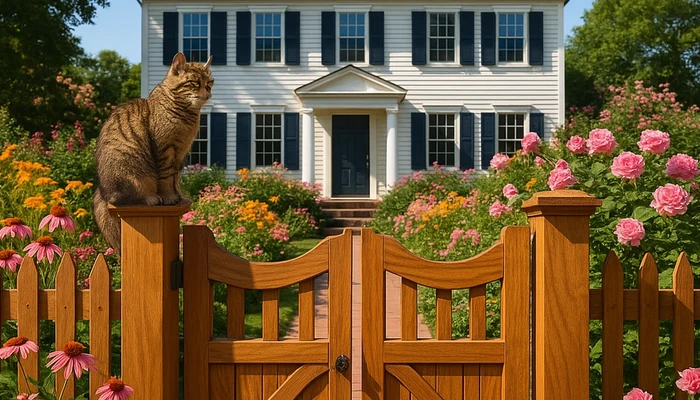
- Arched or scalloped tops: Provide visual interest and soften rigid lines.
See more creative wood fence ideas in our guide: Creative Wood Fence Design Ideas.
Material Choices: Selecting the Right Wood
The wood species and treatment you select affects both the look and lifespan of your fence gate. Popular options in the Midwest include:
- Cedar: Beautiful grain, naturally rot-resistant, takes stain well
- Pressure-treated pine: Affordable and sturdy, though often less refined in appearance unless painted or stained thoroughly
- Redwood: Rich in color and highly durable—premium price tag
Different woods have different grain patterns, colors, and maintenance needs. Our Ideal Types of Wood for Fencing resource provides a full breakdown.
Design Features that Enhance Aesthetics
Beyond the basic shape, these options can transform your wood gate into a statement piece:
- Decorative post caps (copper, solar, routed wood)
- Custom inlays or carvings to reflect personal style
- Hardware choices—hinges, handles, and latches in wrought iron, brass, or powder-coated finishes
- Stain color—accentuate the wood’s grain or blend with house trim
- Lattice, windows, or mixed-material panels
Discover more ways to enhance your wood fence’s natural beauty.
Matching the Landscape and Home Architecture
For the most coherent look, your gate style should echo your home’s design language. For example:
- A craftsman bungalow pairs well with square-topped picket or plank gates
- A modern renovation may feature a wide, horizontal slat gate with minimalist hardware
- Traditional or colonial homes fit nicely with arched gates and simple post caps
Look at what’s common in your neighborhood and consider HOA regulations. Consult our article, Municipal Regulations on Wood Fences, for local code considerations in Chicago, Illinois.
Durability vs. Visual Appeal: Understanding Trade-Offs
The most beautiful gate won’t last if not built for the local climate. In the Chicago, Illinois area, freeze-thaw cycles, humidity, and sun exposure are serious factors. Key trade-offs include:
- Solid privacy gates: offer more seclusion but may catch wind and require stronger hardware and support posts
- Open picket/lattice gates: lighter and airy but offer less privacy
- Decorative details: can add charm but may need extra maintenance
See Durability of Treated Wood Fences for specifics on treatments and finishes that extend life without sacrificing beauty.
Long-Term Maintenance and Gate Longevity
Ongoing care is essential to preserve appearance and function. Chicagoland Fence Pros recommends:
- Cleaning and inspecting annually for rot, warping, and loose hinges
- Applying sealant or stain every 2–3 years
- Replacing or upgrading hardware as needed
- Ensuring posts are well anchored to prevent sagging
Find maintenance best practices in our resource: Learn About Wood Fence Maintenance.
Security & Privacy: When Function Dictates Form
Your priorities may dictate certain features:
- Tall, solid gates for privacy or keeping dogs in
- Self-closing and locking hardware for child safety
- Heavier-duty posts and framing for perimeter security
Still debating whether wood is best for your needs? Our Wood Fences vs. Other Materials post breaks down material pros and cons.
Common Decorative Accessories
Accessories can make your gate stand out and function better. Popular choices include:
- Solar post caps and lighting for night-time curb appeal
- Vinyl or metal accent panels for contrast
- Custom-number signs or address plaques
For accessory inspiration, check Useful Accessories for Wooden Fences.
Building Codes, HOA Rules & Professional Installation
Never overlook city and HOA requirements. In the Chicago, Illinois area, rules can dictate:
- Maximum height for gates and fences
- Material restrictions or required finishes
- Setback distances from sidewalks or property borders
Always check with local authorities before planning your build. For technical guidance on structural integrity or code compliance, refer to industry resources such as Simpson Strong-Tie’s training portal.
Not sure if your project qualifies as DIY? When in doubt, request a fence gate estimate from a local pro. Chicagoland Fence Pros emphasizes code-compliance, structural safety, and aesthetics synergistically in every project.
Comparison Table: Popular Wooden Gate Styles
| Style | Privacy Level | Maintenance Need | Visual Impact | Best Use |
|---|---|---|---|---|
| Picket | Low | Low | Classic, open | Front yard, decorative |
| Board-on-board | High | Moderate | Layered, substantial | Backyard, privacy |
| Horizontal plank | Variable | Moderate | Modern, sleek | Modern homes, city lots |
| Lattice-top | Medium | Moderate | Traditional, decorative | Garden, side yard |
| Arched | Variable | Moderate | Formal, grand | Large entry, focal points |
Eco-Friendly and Sustainable Choices
Environmentally conscious readers often ask about green options for wood gates. Look for:
- Responsibly sourced lumber (FSC certified)
- Low-VOC stains/sealants
- Durable designs that minimize replacement waste
Read more about eco-friendliness at Revitalizing Your Garden with a Wooden Fence.
Installation: DIY or Hire a Pro?
While many experienced homeowners may tackle a small wood gate, there are good reasons to consider a trained contractor:
- Ensuring posts are anchored below the frost line
- Selecting the right materials for Chicago’s climate
- Expert cuts, assembly, and alignment
- Compliance with codes
Working with a professional like Chicagoland Fence Pros ensures a result that is beautiful and built to last. Want to learn more about construction standards? The American Fence Association offers resources for both contractors and curious homeowners.
Maintaining Curb Appeal Over Time
The initial impact of your wood gate can fade without care. Tips to keep it looking its best:
- Wash dirt and pollen off seasonally
- Touch up stains or paint as soon as fading appears
- Check fasteners and posts for stability every spring
- Address small cracks or splinters before they grow
For a detailed care calendar, visit How to Care for Your Wooden Fence in Autumn.
FAQs About Wooden Fence Gates
What distinguishes a wooden fence gate from other types?
Wooden fence gates use natural materials for a warm, customizable look. They offer flexibility in design, ease of repair, and can complement virtually any architectural style.
Can wood gates last in Chicago’s climate?
With proper species selection, sealants, and installation, yes. Cedar and pressure-treated pine, when maintained, can last many years even through freeze-thaw cycles.
How often should I refinish or reseal my wooden gate?
Most gates benefit from a fresh coat of stain or sealant every 2–3 years. Check for signs of weathering after each winter.
What are common mistakes in wood gate installation?
Undersized posts, poor drainage, skipping sealant, or using ungalvanized hardware lead to early failures. Hiring experienced installers like Chicagoland Fence Pros helps avoid these issues.
Is it possible to repair a cracked or warped gate panel?
Many wood gate panels can be repaired by replacing boards, bracing the frame, and refinishing. Extensive damage may require a new gate for safety and appearance.
Can I update the style of my existing wood gate?
Yes! Swapping hardware, adding lattice-tops, or restaining can give existing gates a fresh look without a full replacement.
Do wood gates offer good security?
While a wood gate offers privacy and a barrier, true perimeter security also depends on post strength, hardware, and lock quality. Consider integrated security features if safety is a focus.
How do I choose between solid and open designs?
Solid gates offer most privacy but block airflow and light, while open designs (like picket or lattice) feel lighter and friendlier. Consider both the function and the appearance you want.
Are wood gates expensive compared to other types?
Costs vary depending on wood species, size, and extras. While more affordable than wrought iron or custom metalwork, wood still requires investment in quality materials and regular care.
Do wood gates require permits?
In Chicago, Illinois, gates that exceed certain heights or face public streets often do require permits. Always check with your local building department or work with a professional familiar with city codes.
Conclusion: Choosing the Right Wooden Fence Gate for Lasting Appeal
A carefully selected and well-maintained wooden fence gate is a significant investment in your property’s character. By balancing style, material, durability, and compliance with local codes, you create a feature that welcomes, secures, and beautifies your home for years. If you’re ready to start planning or need expert help, talk to our team of wood fence specialists for honest advice and design ideas tailored for Chicago, Illinois conditions.
Looking for more information on accessories or specialty styles? Explore our wood fence design and maintenance hub or discover the benefits of wood fences.
About Chicagoland Fence Pros
Chicagoland Fence Pros is a professional fence company with over 15 years of experience helping homeowners and businesses in Chicago, Illinois and nearby communities improve security, privacy, and curb appeal. From wood and vinyl to aluminum and commercial steel, the Chicagoland Fence Pros team specializes in code-compliant, durable installations and repairs for all project sizes—always with a focus on honest guidance and lasting results.
fence contractor near chicago, wood fence chicago, wood fence replacement, wooden fences Norridge, cedar wood fence Forest Park, custom wood fence Union, wood fence styles Streamwood, wood fence in the city of Oak Lawn, wooden fences North Center, wood fence styles North Chicago