 Skip to content
Wood Fence With Steel Posts: The Upgrade People Love After the First Windstorm
For many Chicago-area homeowners and property managers, few things cause more stress than seeing a freshly installed wood fence topple after its first windstorm. The classic appeal of wood is undeniable—warmth, privacy, curb appeal—but Midwest weather tests every fence. That’s why more property owners are exploring the game-changing option of a wood fence with steel posts. If you’re deciding on a fence for the first time, grasping the basic trade-offs, real-world durability, code rules and upgrade options isn’t always straightforward. In this comprehensive guide, we’ll explain why wood fences with steel posts are surging in popularity after storm seasons, what you really gain, what can go wrong, and how to plan a long-lasting, compliant solution. We’ll cover real-life pros and cons, realistic costs, and insider advice drawn from years of experience at Chicagoland Fence Pros. By the end, you’ll know how to select, maintain, and get the most from a fence built to thrive in the Chicago, Illinois climate.
Understanding the Basics: Why Combine Wood Fencing With Steel Posts?
Traditional wood fences are usually built with wood rails and wood posts set in the ground. While cost-effective and attractive, these fences are especially vulnerable where winters are harsh, soil is unstable, and high winds strike—exactly the conditions common in Chicago. Steel posts, in contrast, provide unmatched structural support even as wood panels deliver the privacy, style, and warmth homeowners want.
- Appearance: Blends classic wood charm with robust hidden or coated steel supports.
- Structural benefit: Steel posts resist rotting, warping, and wind loads long after wood posts would fail.
- Common uses: Privacy fencing, backyard boundaries, pet enclosures, perimeter security.
Many homeowners only realize the value of steel posts after a major storm damages a traditional wood fence. Upgrading to steel posts doesn’t just mean fewer repairs—it leads to a more secure, resilient perimeter.
How Midwest Windstorms Expose Fence Weaknesses
Chicago’s powerful gusts and unpredictable weather quickly show weaknesses in residential fencing. Wooden fence posts, especially if untreated or installed without a deep enough footing, can loosen, lean, or snap.
- Soil movement: Freeze-thaw cycles push and pull on posts.
- Rain and snow: Excess moisture accelerates wood rot, undermining stability.
- High wind: Gusts put pressure on each panel and post, sometimes flattening entire stretches overnight.
Steel posts, anchored in concrete, have the tensile strength and weather resistance that wood simply can’t match, making them a smart adaptation for windy regions like Chicago, Illinois.
Wood Fences With Steel Posts: Anatomy and Options
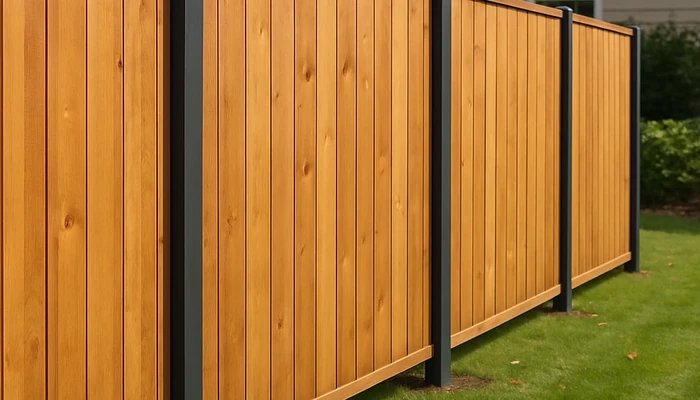
When you choose a wood fence with steel posts, you’re investing in a hybrid solution. Here’s how the main parts come together:
- Steel posts: Galvanized or powder-coated, usually set 2–3 feet deep in concrete for stability.
- Wood panels: Attached to steel brackets; can be cedar, pine, redwood, or pressure-treated for Midwest durability.
- Post wraps or covers: Optional wood wraps ‘hide’ the metal post for a seamless look—a popular choice for strict HOAs or design lovers.
- Fasteners & brackets: Quality galvanized hardware resists rust and keeps wood firmly attached.
Some systems are fully custom, while others use factory-engineered steel posts designed to be concealed by most panel types. Both options exceed the structural reliability of all-wood construction when built correctly.
Pros and Cons: Is the Upgrade Right for You?
| Factor | Wood Posts | Steel Posts |
|---|---|---|
| Durability | 5–15 years* | 20–40 years* |
| Wind Resistance | Moderate | High |
| Rot Concerns | Yes | No |
| Appearance | All wood look | Steel hidden or exposed |
| Maintenance | Frequent | Minimal |
| Upfront Cost | Lower | Higher |
| Long-Term Value | May need early replacement | Lower risk of failure |
*Varies by climate, installation, and material
- Pros: Much higher wind resistance, less rot, better for long fence runs or exposed areas, less post-replacement.
- Cons: Higher upfront cost, more complex installation, potential HOA restrictions on visible steel.
Consider your priorities: If you want a fence to last decades and minimize surprise repairs, steel posts have clear advantages.
Choosing Materials: Steel Post Options and Wood Panel Trade-Offs
Steel Posts: Types and Coatings
- Galvanized steel: Most common for residential use—zinc coating protects against rust (learn about galvanization).
- Powder-coated: Additional colored layer for aesthetic blending and added moisture protection.
- Square vs. round posts: Square styles often better hide within wood wraps; round may be less expensive or used for certain panel kits.
Wood Panels: Best Types for Steel Support
- Cedar panels: Resist insects, decay, and weather well, keeping the fence attractive for years.
- Pressure-treated pine: Budget-friendly, treated for rot/insect resistance, but may need more maintenance (read about treated wood fence durability).
- Redwood/hardwoods: Premium look and performance but higher in cost.
Make sure your wood is rated for ground contact and suited to Chicago’s moisture levels for best performance.
Installation: Steps, Tips, and Local Regulations
While steel posts can reduce future headaches, a quality installation is key to realizing their benefits. Here’s what to expect:
- Code and HOA checks: Always start by checking City of Chicago building codes and HOA guidelines for fence height, style, and materials.
- Layout and marking: Fence lines are marked, posts measured for equal spacing and correct setback from lot lines.
- Drilling post holes: Holes are dug below the frost line—typically 36 inches or deeper in Chicago—to prevent movement from freeze/thaw cycles.
- Setting steel posts: Each post is set in concrete and left to cure for maximum rigidity.
- Attaching panels: After posts are stable, wood panels and gates are secured using galvanized brackets and fasteners.
- Adding post wraps: Wood covers may be installed over steel posts for aesthetics or HOA compliance.
DIY installations are possible but getting alignment, depth, and code compliance right can be challenging. For most, working with an experienced fence contractor ensures a trouble-free result.
For creative wood panel options and design inspiration, discover stylish wood fence panels.
Maintenance and Longevity: What to Expect
The main reason people opt for steel posts is their low maintenance and extended lifespan. Here’s how to keep your hybrid fence in top shape:
- Steel posts: Inspect for rust annually and touch up powder-coated surfaces as needed.
- Wood panels: Clean and seal or stain every 2–3 years depending on exposure (learn about wood fence maintenance).
- Hardware: Check and tighten fasteners if panels become loose, and replace brackets showing corrosion.
In the Chicago, Illinois area, salt, snow, and ice can accelerate wear, so high-quality finishes are crucial. With basic attention, steel posts may last over 30 years—even as wood panels are replaced or refreshed.
Common Mistakes and How to Avoid Them
- Not consulting local fence codes or HOA restrictions before installation.
- Mixing incompatible wood and steel hardware, leading to premature corrosion.
- Using undersized or uncoated steel posts for tall or exposed fences.
- Neglecting to cure concrete footings before attaching panels (causes shifting).
- Skipping preventive sealing or stain on wood panels.
From our experience as a fence company in Chicago, Illinois, seeking advice and installation from professionals—and choosing materials designed for the local climate—are the best safeguards against early fence failure.
Realistic Costs: What Homeowners Should Budget
Upgrading to steel posts does add cost compared to basic wood post construction. On average (as of 2024):
- Materials: Steel posts can add $10–$22 per linear foot to your budget, depending on grade and coating.
- Labor: Slightly higher rates due to the need for deeper footings and precise alignment.
- Finish options: Post wraps, specialty brackets, and high-end wood panels increase costs but may be required by some HOAs.
Always get a detailed, written estimate. While the upfront price is higher, steel posts pay off over time in avoided repairs or full replacements. For a more detailed guide to wood fence budgets, read about the benefits and cost of wood fences.
Upgrades and Custom Options for Maximum Life
- Hidden steel post systems: For premium curb appeal, select hidden-post brackets that allow complete concealment with wood wraps.
- Decorative post caps: Available in wood or metal; deter water penetration and add style.
- Higher-grade steel: Choose heavier gauge steel for added wind resistance in exposed locations.
- Hybrid materials: For busy property managers, consider composite panels with steel posts for even lower maintenance (see composite fence options).
Customization helps your new fence blend with existing landscaping or stand out as a statement feature. For more on wood design options, find creative wood fence inspiration.
How to Choose: Is a Wood Fence With Steel Posts Worth It for Your Property?
This choice isn’t all-or-nothing—some Chicago homeowners only upgrade posts on wind-facing sections or exposed corners, while others opt for full perimeter steel support. Consider:
- Your property’s wind exposure and microclimate.
- How long you want the fence to last without major repairs.
- HOA or municipal style restrictions.
- Desired appearance: exposed vs. wrapped steel posts.
- Budget and long-term value.
If low maintenance, fewer headaches, and durability matter most, the upgrade is worth the investment.
Key Differences: Wood Fence With Steel Posts vs. All-Wood and Other Popular Fence Types
| Type | Strength | Maintenance | Privacy | Longevity* |
|---|---|---|---|---|
| Wood Fence w/ Steel Posts | Excellent | Low/Moderate | High (panel style) | 20–40 yrs |
| Traditional All-Wood Fence | Moderate | High | High | 8–15 yrs |
| Vinyl Fence | Very Good | Very Low | High | 20–30 yrs |
| Chain Link Fence | Good | Low | Low–Moderate (with slats) | 20–30 yrs |
| Aluminum/Composite | Excellent | Very Low | Moderate–High | 25–40 yrs |
*Approximate; depends on installation, material grade, and weather exposure.
Curious about other materials? Compare wood fences vs. other materials here. For hands-off maintenance seekers, read about vinyl fence options.
Frequently Asked Questions
Can steel posts really be hidden for a full-wood look?
Yes. Many systems allow wood wraps or post covers that seamlessly hide the steel support, meeting HOA requirements or preserving aesthetic goals.
Will steel posts rust in Chicago’s climate?
High-quality galvanized and powder-coated posts hold up well if installed above grade with capped tops. Check for powder-coat scratches and touch up as needed to prevent rusting.
How deep do steel posts need to be set?
In Chicago, posts should be set below the frost line—typically at least 36 inches deep—to prevent movement during freeze/thaw cycles.
Can I retrofit steel posts into my existing wood fence?
Yes, it’s possible, though it can be complex. Often, the best results come from full replacement, but for select damaged sections, steel posts may be swapped in if the panels still have integrity.
What’s the maintenance difference with steel vs. wood posts?
Steel posts require routine inspection for rust and possibly paint touch-ups, while wood posts demand frequent sealing and are more vulnerable to rot, insect damage, and moisture.
Are there code restrictions on steel post fences in the Chicago area?
City of Chicago codes generally allow steel posts, but specifics (height, setback, visibility) can be set by neighborhood, so always check current rules before building.
How much more does a steel post upgrade cost?
Typically, steel posts add $10–$22 per linear foot beyond standard wood post pricing. Longer runs, post wraps, and upgrades can further increase cost.
What fence style works best with hidden steel posts?
Board-on-board, privacy panels, and shadowbox designs all adapt well to hidden steel supports—visit Stylish Wood Fence Panels Available for ideas.
Conclusion: Next Steps for a Lasting, Resilient Fence
Upgrading to a wood fence with steel posts is a proven way to outlast Chicago’s windstorms while maintaining the warmth and privacy you love. By understanding your options, local codes, and the honest pros and cons of materials, you’re equipped to decide what suits your home or property best. If you’d like hands-on advice or a tailored solution, request a fence estimate, or contact Chicagoland Fence Pros to talk with friendly specialists who understand the real challenges of the Midwest climate.
For more tips, learn about wood fence maintenance and how to preserve your investment year after year.
About Chicagoland Fence Pros
Chicagoland Fence Pros is a professional fence company with over 15 years installing fences in the Chicago, Illinois area. Serving both homeowners and businesses, Chicagoland Fence Pros specializes in wood, vinyl, aluminum, and steel fences, delivering privacy, security, and curb appeal for every project. Fully licensed, insured, and expert in local codes, the team combines honest advice, experience-based solutions, and a commitment to lasting quality in every installation.
fencing contractors chicago, wood privacy fence, wood privacy fence Fence Chicago, wood fence repair Geneva, wood fence Winfield, wood fencing Hoffman Estates, wood fence styles North Halsted, wood fence in the city of Mchenry, wood fence Union Ridge, wood privacy fence Gurnee
