
Learn About Wood Fence Maintenance: The Comprehensive Homeowner’s Guide
If you have recently installed a wood fence or are considering one for your property, you may be wondering how to protect your investment. Wood fences offer natural beauty and timeless charm, but to keep them looking their best and functioning well, proactive maintenance is essential. Learning about wood fence maintenance isn’t just about aesthetics—it’s about maximizing lifespan, guarding against the elements, and safeguarding your property’s privacy and security. Whether you’re a homeowner or property manager in the Chicago, Illinois area, this in-depth guide will clarify what goes into caring for a wood fence, the key trade-offs of different approaches, and when to consult a professional like Chicagoland Fence Pros for best results.
Why Wood Fence Maintenance Matters
Wood is a living, natural material. While it stands up well when cared for, neglect can lead to early decay, warping, fading, and even failure. Routine maintenance keeps your fence strong, safe, and attractive while saving you money on repairs or replacement. In climates like Chicago, the freeze-thaw cycle, humidity, and storms make strong maintenance practices even more important to prevent structural issues.
- Prevents rot and insect damage
- Keeps your fence looking vibrant and well-kept
- Maintains privacy and security
- Reduces costly long-term repairs
- Complies with most local HOA and municipal requirements
Understanding Wood Types and Maintenance Requirements
Different species of wood have unique appearances, strengths, and care considerations. The most common options in the Midwest include cedar, pine (pressure treated), spruce, and redwood. Choosing the right wood for your location, climate, and intended use is critical.
| Wood Type | Durability | Maintenance Needs |
|---|---|---|
| Cedar | High (naturally rot-resistant) | Regular sealing preserves appearance |
| Pine (Pressure Treated) | Moderate-High | Inspect for warping, maintain sealant |
| Spruce | Medium | Frequent inspections/sealing required |
| Redwood | High | Best with UV protective stain/sealant |
For a deeper dive into wood options, see our guide on the best wood types for fencing.
Key Steps for Long-Lasting Wood Fences
1. Cleaning Your Fence
Cleaning removes dirt, mildew, and algae that can slowly degrade wood and make your yard look less cared-for. The process is simple:
- Clear any debris and vegetation touching the fence.
- Use a garden hose with a spray nozzle or a pressure washer set to low pressure.
- Mix mild soap with water and gently scrub with a soft brush for stubborn stains or mildew.
- Rinse thoroughly and let dry completely before applying sealant or stain.
Avoid harsh chemicals, as they can damage the wood or harm nearby landscaping. For eco-friendly cleaning tips, consult EPA resources such as the EPA National Library Network.
2. Inspecting for Damage and Wear
Twice a year, walk the entire length of your fence, inspecting for:
- Rotting or soft spots, especially near posts and ground contact
- Loose, cracked, or missing boards
- Rusty nails, screws, or hinges
- Signs of termite or insect activity
- Faded or peeling paint or stain
Promptly catching small issues can prevent bigger problems later. For more on extended longevity, visit durability of treated wood fences.
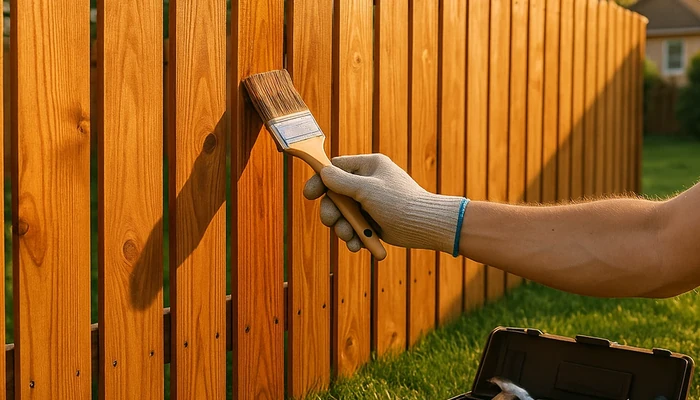
3. Sealing, Staining, and Painting
Sealing or staining your fence protects it against moisture, UV rays, and pests, extending its lifespan and enhancing its appearance:
- Sealant: Clear, waterproofs wood, preserves natural color
- Stain: Adds color and protection (available in transparent, semi-transparent, solid options)
- Paint: Offers bold color but may peel or chip faster without proper prep
Always prep wood by cleaning and letting it dry for at least 48 hours before applying sealant or stain. In the Chicago area, plan to reseal or restain your wood fence every 2–3 years, or sooner if you notice water no longer beads up on the surface.
4. Repairing Common Problems
Repairs can include replacing boards, tightening fasteners, or fixing posts. Common issues:
- Rotten boards/posts: Cut out and replace affected sections.
- Warping/bowing: Replace boards or brace weak areas.
- Loose nails/screws: Refasten or replace with rust-resistant fasteners.
When tackling repairs, always follow safety guidelines and local code requirements. Consulting standards like those from DASMA ensures fence repairs meet industry norms.
Seasonal Wood Fence Maintenance in Chicago
Midwestern weather, from hot humid summers to icy winters, puts wood fences to the test. Each season brings new maintenance priorities:
- Spring: Clean, inspect for winter damage, repair broken hardware
- Summer: Reseal or stain as needed; trim plants away from the fence
- Autumn: Inspect for loose boards; clear leaves and debris that trap moisture
- Winter: Monitor snow/ice buildup; avoid piling snow against the fence
For a season-by-season checklist, see our autumn maintenance guide.
Enhancing Durability with Accessories and Treatments
Certain additions and advanced treatments can further reduce maintenance and extend a fence’s life:
- Post caps: Prevent water seepage and rot at post tops
- Metal post sleeves: Add stability and pest resistance
- Alternative treatments: Pressure-treated wood, composite panels, or vinyl coatings offer extra protection—see alternative treatment options for wood fences
FAQs About Wood Fence Maintenance
How often should I clean my wood fence?
It’s best to clean your wood fence once or twice a year, ideally in the spring and fall, to remove buildup and inspect for issues before they worsen.
How do I know if my wood fence needs to be resealed?
If water no longer beads up on the surface but soaks into the wood, it’s time to reseal or stain. Fading, splintering, or visible wear are also indicators.
Can I repair a wood fence myself, or should I hire a professional?
Minor repairs like reattaching loose boards may be DIY-friendly, but consult a professional for structural fixes, extensive rot, or when unsure about building codes.
How do Chicago winters affect wood fences?
Freeze-thaw cycles and snow buildup can cause warping, cracking, or decay. Pre-winter inspections and keeping snow away from the fence base help protect your investment.
Should I stain, seal, or paint my fence?
The best choice depends on aesthetic preference and desired protection. Stains highlight the wood grain; sealants keep a natural look; paint lets you match home colors. Each may require different prep or maintenance schedules.
What are early signs my fence needs serious attention?
Soft or crumbling wood, persistent insect damage, sagging posts, or leaning sections mean urgent repair is needed to prevent collapse and hazards.
How do I choose eco-friendly cleaners or sealants?
Look for biodegradable soap or water-based stains/sealants with low VOCs. More details are available from EPA resources such as the EPA.
Will a well-maintained wood fence add value to my property?
Yes. A properly cared-for fence offers curb appeal, privacy, and security, factors that often appeal to prospective buyers.
How do I maintain a fence with pets or small children?
Regularly check for gaps and secure loose boards. For dog owners, read our resource: Are wood fences good for dogs?
Where can I find Chicago-specific guidance on wood fence regulations?
Always review local city codes or consult fence specialists who stay updated on current requirements—specialists like Chicagoland Fence Pros can advise on compliance.
Common Mistakes and How to Avoid Them
- Ignoring minor damage: What starts as a small crack often becomes structural decay.
- Not prepping before sealing or painting: Clean, dry wood ensures coatings adhere properly.
- Using the wrong products: Only use stains and sealants labeled for outdoor wood fences.
- Overpowering with pressure washers: Too much force will etch or erode wood, shortening its lifespan.
- Failing to trim landscaping back: Plants can trap moisture and accelerate rot.
When to Call a Professional
Some fence maintenance tasks are best handled by experienced professionals. If you face extensive rot, major leaning, broken posts, or code-compliance questions, it’s wise to get expert advice. Homeowners in Chicago, Illinois can request a wood fence assessment from Chicagoland Fence Pros or explore residential fencing options.
Summary and Next Steps
Proper wood fence maintenance protects both your home’s value and your peace of mind. By proactively cleaning, inspecting, and sealing your fence and addressing issues early, you can enjoy beauty and security for years. For guidance tailored to your property, contact Chicagoland Fence Pros—serving Chicago, Illinois and surrounding communities with trusted advice and durable installations.
Interested in exploring other fencing solutions, such as aluminum or vinyl? See our aluminum fence options or vinyl fence services to compare durability and maintenance needs.
About Chicagoland Fence Pros
Chicagoland Fence Pros has over 15 years of experience helping homeowners and property managers in Chicago, Illinois with high-quality fence installation and maintenance. Specializing in wood, vinyl, aluminum, and more, the team focuses on security, privacy, and code-compliant solutions for both residential and commercial projects. Chicagoland Fence Pros is fully insured and committed to honest, expert guidance on every fence project.
fencing companies chicago, wood fence styles, wood fencing, wood privacy fence Buffalo Grove, wood fence Schaumburg, wood fencing West Chicago, custom wood fence Rogers Park, custom wood fence Barrington, wood fence replacement Morton Grove, wood fence in the city of Wood Dale