
Effective Methods For The Installation Of Iron Barriers: A Complete Guide
Choosing the right fence for your property can be a complex process, especially when security, privacy, and long-term value are on the line. For many homeowners and property managers in Chicago, Illinois, iron barriers stand out for their durability, aesthetic appeal, and ability to meet stringent building codes. However, installing iron fences or barriers requires careful planning, the right materials, and a realistic understanding of both local requirements and common trade-offs. In this comprehensive guide, we’ll walk you through effective methods for the installation of iron barriers—demystifying each stage from site assessment and material selection to maintenance and compliance. By the end, you’ll understand not just how these barriers protect your property, but also how to make smart, cost-effective, code-compliant choices. The experienced team at Chicagoland Fence Pros is dedicated to ensuring you have the clear, honest information you need whether you’re planning a DIY installation or hiring a professional.
Understanding Iron Barriers: Purposes and Types
Iron barriers, including fences, railings, and security panels, serve multiple purposes:
- Security: Deter trespassing and safeguard assets.
- Privacy: Control sightlines and define boundaries.
- Safety: Prevent falls, manage crowds, and protect against vehicle intrusion.
- Curb Appeal: Enhance the property’s exterior.
- Compliance: Meet municipal codes and privacy laws.
Common iron barrier types include:
- Wrought Iron Fences: Classic, ornamental, and highly durable.
- Iron Railings: Often used on stairs, balconies, and as shorter barriers.
- Iron Bollards: Short posts to prevent vehicle access or delineate spaces. (Learn more about the role of iron bollards)
- Industrial Iron Panels: For commercial perimeter security.
Planning the Installation: Steps for Success
1. Define Your Goals
Consider why you need an iron barrier—security, privacy, aesthetics, or a combination. Different goals dictate height, design, and placement.
2. Site Assessment
- Evaluate soil quality and grade; clay-heavy or sloped sites may require special footing.
- Check for underground utilities using a call-before-you-dig service.
- Measure property lines carefully—incorrect placement can lead to costly disputes or code violations.
3. Budgeting and Timeline
Iron barriers are a longer-term investment. Factor in not just the initial cost, but long-term maintenance and potential repairs. Plan your project’s phases according to weather conditions common in the Chicago, Illinois area, allowing for seasonal changes in soil moisture and temperature.
Choosing Materials: What Makes an Iron Barrier Last?
Types of Iron and Their Properties
| Material | Strength | Corrosion Resistance | Appearance | Maintenance |
|---|---|---|---|---|
| Wrought Iron | Excellent | Moderate (improves with coatings) | Decorative, classic | Needs periodic painting |
| Galvanized Steel (Iron Alloy) | Very Good | High (zinc layer) | Simple, modern | Low |
| Powder-Coated Iron | Very Good | Very High | Customizable colors | Minimal |
When selecting materials, seek products that are:
- Rated for exterior use in the Midwest climate.
- Compliant with ASTM or similar standards.
- Matched in finish and detailing for a cohesive look.
Ask contractors for clear information on coatings, galvanization, or powder coating options, as these significantly affect barrier lifespan.
Designing Your Iron Barrier: Functional and Aesthetic Considerations
- Height and Spacing: For security, higher fences (6ft+) and minimal spacing between bars are preferable. For visual appeal, ornate patterns and scrollwork add character.
- Gate Placement: Ensure gates align with natural pathways, with enough clearance for vehicles or wheelchairs if necessary.
- Combination Barriers: Consider combining iron with brick, stone, or wood for additional security and privacy—or to conform with HOA or neighborhood expectations.
Permits, Codes, and Safety: What to Check Before Installation
Iron barrier installations must comply with city ordinances, zoning, and sometimes HOA regulations:
- Check Chicago’s municipal building codes and fence ordinances before finalizing your plans (reference: International Code Council).
- Obtain all necessary permits; failing to do so can result in fines or forced removal.
- If your property is subject to historic overlay or special districts, extra requirements may apply.
- Plan for safe installation—iron barriers are heavy. Professional installation is strongly recommended, especially for large or complex projects.
Required Tools and Equipment
While professionals use specialty tools, a typical iron barrier installation involves:
- Post hole digger or auger
- Level, tape measure, and string line
- Concrete mix for footings
- Cutting and welding tools (for custom fit or repairs)
- Protective gear: gloves, safety glasses
Renting professional-grade equipment can speed up the process and ensure accurate placements.
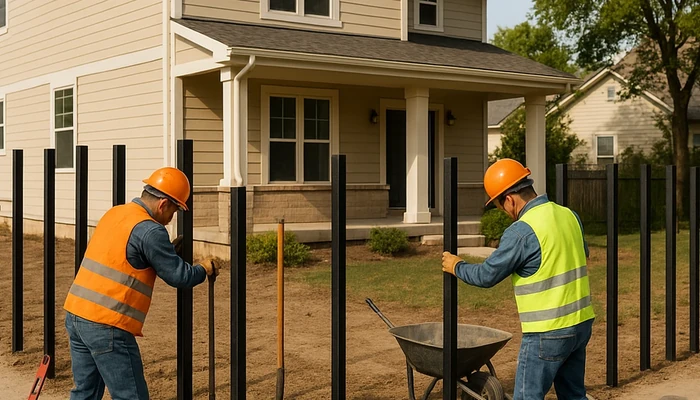
Installation Process: Step-by-Step Guide
- Layout and Marking: Mark post locations and property lines with stakes and string. Double-check alignment and measurements.
- Digging Post Holes: Holes should be at least a third of the total fence height deep and about three times the post diameter wide—deeper in frost-prone areas like Chicago, Illinois.
- Setting Posts: Use concrete for stability. Let concrete set according to manufacturer recommendations (usually 24–48 hours).
- Attaching Panels or Rails: Once posts are set, fasten fence panels using corrosion-resistant hardware. Ensure panels are straight and level.
- Gate Installation: Hang gates last to minimize sagging and adjust for proper operation.
- Finishing Touches: Touch up paint or coatings, clean up debris, and inspect fasteners.
For specific guidance on bollard-style barriers, see this step-by-step bollard installation resource.
Comparison Table: Iron Barriers vs. Other Fence Materials
| Material | Durability | Security | Maintenance | Cost (Est.) |
|---|---|---|---|---|
| Iron | Very High | Excellent | Periodic painting | High Initial |
| Wood | Moderate | Moderate | Staining, rot risk | Moderate |
| Vinyl | High | Good | Low | Moderate–High |
| Chain-Link | High | Good | Low | Low |
| Aluminum | High | Good | Very Low | High |
For a full comparison with other materials, read our wood fence and vinyl fence installation guides.
Iron Barrier Maintenance: Preserving Strength and Appearance
- Inspection: Check annually for rust, loose hardware, or damaged sections.
- Rust Removal: Use a wire brush and apply rust-resistant primer before repainting.
- Touch Up: Paint chips and scratches promptly to prevent moisture intrusion.
- Gate Adjustment: Realign or lubricate hinges as needed.
For tips on improving the longevity of outdoor iron barriers, see our guide on how to extend the life of iron bollards.
Common Challenges and Realistic Expectations
- Chicago Winters: Freeze-thaw cycles can stress footings—deeper posts and proper drainage reduce risk.
- Permitting Delays: Factor extra time for review and inspections.
- Material Lead Times: Custom or imported panels may require weeks for delivery; plan ahead.
- Maintenance Reality: Even high-quality iron needs periodic care. Modern coatings can reduce, but not eliminate, maintenance duties.
- Cost Fluctuations: Metal prices can vary. Request detailed quotes and clarify materials list before finalizing budgets.
Professional vs. DIY Installation: Making the Right Choice
| Aspect | Professional Installation | DIY |
|---|---|---|
| Quality | Guaranteed by experience | Varies by skill |
| Speed | Faster completion | Longer, learning curve |
| Code Compliance | Handled by specialists | Must research codes |
| Safety | Proper equipment and procedures | Potential risks |
| Upfront Cost | Higher labor fees | Saves on labor |
In the Chicago, Illinois area, most property owners choose professionals for peace of mind, warranty coverage, and code compliance. If you’re considering a DIY project, start with a small section and ensure all materials and methods meet local standards. For specialized installations such as decorative ironwork or high-security barriers, always consult experts.
Iron Barriers and Local Building Codes
Building codes affect not only fence height but post depth, materials, and even spacing of pickets. Refer to reputable external and local sources such as:
- American Fence Association (for best practices and installer credentialing)
- International Code Council (for up-to-date code requirements)
Homeowners in Chicago, Illinois often find that code compliance not only keeps you legal but also ensures insurance coverage and neighborhood harmony.
Soft CTA: Get Expert Advice For Your Iron Barrier Project
Ready to take the next step? Contact Chicagoland Fence Pros today for clear, honest advice, or request a detailed estimate for wrought iron fences. We’re here to help with every phase—from planning to completion.
Frequently Asked Questions About Iron Barrier Installation
- What is the best type of iron for exterior barriers?
Wrought iron and galvanized steel are both excellent choices for exterior barriers, offering high strength and corrosion resistance—galvanized options require less maintenance but are less ornate.
- How deep should iron fence posts be set?
The general rule is to set posts at least one-third the total fence height deep; in frost zones like Chicago, posts should be set below the frost line (often 36–42 inches).
- Do I need a permit to install an iron fence in Chicago, Illinois?
Usually, yes. Check local codes and obtain the necessary permits before installation to avoid fines or removals. Consult the International Code Council for best practices.
- How long do iron barriers last?
With proper installation and routine maintenance, iron barriers can last several decades—coating applications and upkeep are essential for longevity.
- What maintenance is required for iron barriers?
Annual inspections, prompt rust removal and repainting, plus gate adjustments if needed—read our care guide for details.
- Can I combine iron with other materials?
Yes, combining iron with stone, brick, or wood can provide enhanced privacy, security, and curb appeal while meeting neighborhood guidelines.
- Should iron fences be grounded for lightning?
It’s not typically required for residential fences, but check local codes. For commercial/industrial barriers, professional advice is best.
- Is DIY iron barrier installation feasible?
It is possible for those with construction experience and proper tools, but complex designs and code compliance are best handled by professionals.
- How do I maintain finish and coloring?
Use powder-coat or high-quality exterior paint. Inspect for chips and repaint as soon as possible to inhibit rusting.
- What are common mistakes to avoid?
Poor post footing, misaligned panels, neglecting permits, or using low-quality hardware—these lead to premature failure or legal issues.
Conclusion: Building Durable, Secure Iron Barriers for Years to Come
Iron barriers are a time-tested solution for property owners seeking security, durability, and classic appeal. Success starts with careful planning, the right materials, and attention to local codes—especially in a climate like Chicago, Illinois. Whether you choose a trusted contractor or explore a DIY option, be realistic about skills, code requirements, and ongoing care. For expert advice or a customized strategy, reach out to Chicagoland Fence Pros. We’re committed to providing honest, experience-based guidance every step of the way to ensure your fence stands strong for years.
About Chicagoland Fence Pros
Chicagoland Fence Pros is a professional fence company with over 15 years installing fences in the Chicago, Illinois area. We serve homeowners and businesses with a wide range of solutions—including wood, vinyl, aluminum, and iron barriers—while focusing on clear education, code-compliance, and lasting craftsmanship. Fully licensed and insured, our experts help clients realize maximum security, privacy, and curb appeal with every project.
fence installation chicago, parking bollards chicago, bollard repair chicago, bollard repair Geneva, replace bollards Mokena, storefront bollards Hoffman Estates, protective bollards River Forest, steel bollards Melrose Park, security bollards Burr Ridge, bollards Villa Park