 Skip to content
Rustic Aesthetics in Wood Fences: An Expert Guide for Homeowners and Property Managers
Choosing the right fence is more than just a boundary decision—it’s a statement about style, security, privacy, and how you want your property to be perceived. For homeowners and property managers in search of authentic charm, durability, and a look that blends naturally with the landscape, rustic aesthetics in wood fences have enduring appeal. This comprehensive guide demystifies rustic wood fence design, explains available options and material trade-offs, and sets realistic expectations for installation and upkeep. By the end, you’ll be equipped to decide if a rustic wood fence is the right fit—and know the steps for choosing and maintaining one that stands the test of time. The Chicagoland Fence Pros team is always here to help locals navigate Chicago’s climate, codes, and fencing trends, but this guide empowers you with knowledge first.
Understanding Rustic Aesthetics in Wood Fences
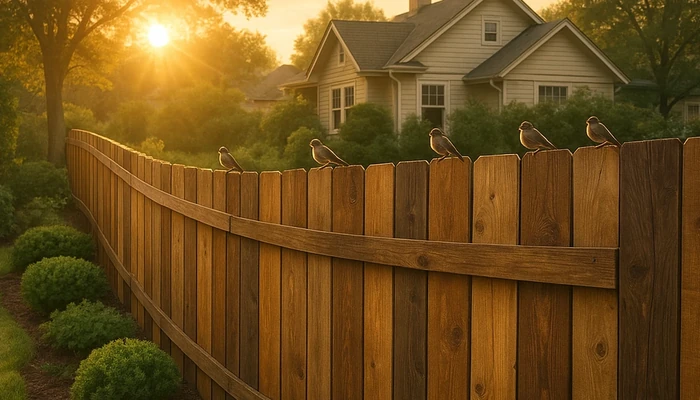
Rustic aesthetics in wood fences refers to a design philosophy focused on natural textures, organic shapes, and time-honored construction methods. Unlike polished, modern fences, rustic styles celebrate imperfection and weathering. This approach highlights the wood’s grain, knots, and variations, often using wider boards or even live-edge lumber.
- Definition: A style that embraces weathered wood, simple joinery, and a natural appearance across picket, split-rail, post-and-rail, and board-on-board fences.
- Purpose: To evoke a sense of warmth, history, and harmony with surroundings, creating inviting boundaries that offer both privacy and curb appeal.
Popular Rustic Wood Fence Styles and Their Characteristics
When envisioning a rustic wood fence, multiple design directions are possible. Each style brings a different atmosphere and function to your property:
- Split-Rail Fences: Traditional for rural and agricultural spaces, these feature horizontal rails with rough-hewn posts, using little hardware for a raw, open look.
- Board-on-Board or Shadow Box: Vertical planks overlap, offering privacy while allowing airflow. Natural edges and varying plank widths enhance rustic authenticity.
- Picket Fences: Wider, unpainted pickets or irregular heights can transform classic picket fences into rustic statements—ideal for Cottage or Farmhouse inspirations.
- Post-and-Rail: Sturdy posts with two or three horizontal rails; often made from cedar or locust for longevity, and left unstained.
- Live-Edge Designs: Boards retain the natural edge of the log for an organic feel, creating a fence that looks ‘grown’ rather than built.
Material Choices: Wood Species and Sourcing
The selection of wood is essential to achieving an authentic rustic appearance—and to a fence’s lifespan. Each species brings unique strengths, color, and texture:
| Wood Type | Appearance | Durability | Weather Resistance |
|---|---|---|---|
| Cedar | Warm, reddish hue; tight grain; knots add character | High | Excellent (naturally rot-resistant) |
| Pine (treated) | Pale, rustic look; prominent grain | Medium (with treatment) | Good (with regular treatment) |
| Redwood | Rich red-brown; smooth with occasional knots | Very High | Excellent |
| Locust | Yellow-tan; dense, strong; rustic and rugged | Very High | Outstanding |
For sustainability, choose wood from responsibly managed sources. The APA Wood Resource Guide offers reputable guidance on sourcing and industry standards.
The Role of Weathering and Patina: Embracing Natural Change
Rustic wood fences are unique in their ability to ‘grow into’ their surroundings. Exposure to weather—rain, sun, wind—causes the wood to develop a silvery-gray patina, surface texture, and subtle color variations. This transformation is desirable for many seeking rustic charm, but it’s important to understand what to expect:
- Benefits: Enhances visual character, minimizes contrast with the landscape, often lowers maintenance expectations.
- Considerations: Weathering is not decay. Some homeowners apply semi-transparent stains to control aging, while others prefer untreated wood for natural evolution.
Designing for Functionality: Privacy, Security, and Curb Appeal
Rustic aesthetics need not mean sacrificing functionality. When properly designed, rustic wood fences can provide real privacy, clear property lines, and reliable perimeter security:
- Privacy: Board-on-board and overlapping plank designs block views while maintaining rustic style. Varying plank heights can create visual interest and privacy ‘zones.’
- Security: Sturdy posts embedded in concrete, close board spacing, and proper gate hardware keep children and pets safe—especially in urban or suburban settings like Chicago, Illinois.
- Curb Appeal and Value: A thoughtfully designed rustic fence can increase perceived property value by blending with gardens, trees, and local architectural styles.
For more wood fence design ideas, see the Creative Wood Fence Design Ideas hub.
Trade-Offs and Practical Considerations
Rustic wood fences offer beauty and character, but come with unique maintenance and installation considerations:
- Upkeep: While rustic fences are meant to weather, periodic inspection, repair, and occasional washing or staining extends their lifespan.
- Durability: Choice of wood species and quality of installation are critical. For tips on long-lasting fences, visit our guide on the Durability of Treated Wood Fences.
- Budget: Cedar and redwood cost more upfront but last longer. Untreated pine or reclaimed boards are affordable, but may require more maintenance.
- Local Codes: Always check Chicago building codes or HOA requirements for fence height, materials, and setbacks before starting installation.
Integration with Landscaping and Outdoor Living Spaces
Rustic wood fences are adaptable and can enhance nearly any landscape design. Here are ideas for integration:
- Plantings: Train climbing vines or plant native shrubs along the fence to soften lines and promote biodiversity.
- Stone Accents: Combine wood with natural stone posts or foundations for added durability and texture.
- Gates and Accessories: Add custom wooden gates, decorative hardware, or antique fixtures to reflect historic or country styles—see The Aesthetic Appeal of Wooden Fence Gates for ideas.
- Recreation Areas: Define play zones or gardens—read more at Wooden Fenced Recreation Areas.
Environmental Benefits and Responsible Choices
Embracing rustic wood fencing is compatible with eco-friendly goals:
- Renewable Material: Wood is naturally renewable. Choose certified or regionally grown timber when possible.
- Low-Impact Finishes: Use water-based stains, plant-oil finishes, or no finish to minimize environmental impact. Alternative Treatment Options For Wood Fences explores greener preservation methods.
- Longevity and Recycling: Well-maintained fences last decades and, at the end of life, wood can be reused, mulched, or composted—sometimes even donated for crafts or projects. Read more about the broader benefits of community-friendly design.
Realistic Maintenance Expectations
Rustic wood fences are celebrated for their resilience, but longevity depends on periodic care:
- Inspections: Look for loose boards, protruding nails, fungus, or signs of insect activity—especially after a Chicago winter.
- Cleaning: Annual washing removes dirt, mildew, and grime; avoid harsh chemicals that can strip wood.
- Staining or Sealing: Optional but extends lifespan and controls color change. Some homeowners prefer to leave fences untreated for a natural patina, while others apply products every few years.
- Structural Repairs: Replace damaged posts or rails promptly to prevent sagging or loss of privacy.
For a maintenance checklist, review our wood fence maintenance guide.
Pro Tip: From our experience as a fence company in Chicago, Illinois, most rustic wood fence issues can be prevented with an annual spring inspection and quick fixes as needed.
Comparing Rustic Wood Fences with Other Common Fence Types
| Rustic Wood | Vinyl | Composite | Chain Link | |
|---|---|---|---|---|
| Appearance | Natural, evolves with age | Consistent, uniform | Modern, durable | Utilitarian |
| Maintenance | Low to Moderate | Low | Low | Very Low |
| Cost (Initial) | $$–$$$ | $$ | $$$ | $ |
| Lifespan | 15–25 yrs+ | 20–30 yrs | 25–30 yrs | 10–20 yrs |
| Environmental | Renewable, biodegradable | Plastic, not biodegradable | Mixed materials | Steel, recyclable |
For an in-depth look at materials, see Wood Fences vs. Other Materials and for commercial options, browse Commercial Fence Installation Chicago.
FAQs: Rustic Wood Fence Insights
Below are common questions Chicagoland homeowners and property managers ask about rustic wood fences:
1. Will a rustic wood fence suit both modern and traditional homes?
Yes—rustic wood fences bring warmth and texture to any setting, whether it’s a modern house using crisp landscaping or a classic home surrounded by mature trees. The key is to match board spacing, height, and finishes to the property’s architecture.
2. How long does a rustic wood fence last in the Chicago climate?
With quality wood (cedar, locust, or treated pine), professional installation, and periodic maintenance, rustic fences often last 15–25 years or longer in the Chicago, Illinois area.
3. Are rustic fences harder to maintain than painted or modern fences?
Not necessarily. While minor repairs are sometimes more visible, rustic fences are designed to ‘wear in’ rather than ‘wear out.’ Occasional cleaning or staining is optional, depending on your aesthetic preference.
4. Can rustic wood fences be pet- or child-safe?
Absolutely. Choose tighter board spacing and secure gates for safety. For pet-related fence solutions, see Are Wood Fences Good For Dogs?.
5. Is it possible to build a rustic fence with reclaimed wood?
Yes! Reclaimed barn boards or salvaged timbers offer unmatched character. Ensure boards are free of rot and hazardous finishes before use.
6. Is staining required for rustic fences?
No. Many homeowners leave rustic fences untreated to let the wood gray naturally. Oil or clear stains can slow down weathering and maintain color if desired.
7. Can rustic wood fences be used for commercial properties?
Yes, especially for restaurants, retail spaces, or parks wanting to convey a welcoming, natural atmosphere—see Wooden Fences for Different Uses.
8. What are some ways to enhance the character of a rustic fence?
Consider mixing wood textures, adding antique or black iron hardware, or integrating native stone features for visual interest. See our ideas at Enhancing Wood Fences: Natural Beauty.
9. Do rustic wood fences comply with local codes?
They can. Always check zoning laws and HOA covenants in Chicago, Illinois before beginning any fencing project. For guidance, read Municipal Regulations on Wood Fences.
10. Who should I contact for professional rustic fence installation?
For transparent advice and code-compliant craftsmanship, request a custom wood fence estimate or contact Chicagoland Fence Pros directly.
Conclusion: Is a Rustic Wood Fence Right for You?
Rustic aesthetics in wood fences offer unmatched character, design flexibility, and the ability to age gracefully alongside your landscaping. When chosen and installed with an understanding of materials, codes, and realistic maintenance needs, a rustic wood fence can become a statement piece for years to come. Whether you value curb appeal, privacy, or simply want a fence that complements the region’s natural beauty, rustic styles are a smart solution for many Chicago, Illinois properties.
Ready to explore your options? View custom wood fence solutions or contact our fencing specialists for honest advice and a clear quote.
About Chicagoland Fence Pros
Chicagoland Fence Pros has over 15 years’ experience designing and installing all styles of wood, vinyl, aluminum, and steel fencing for residential and commercial properties in Chicago, Illinois, and nearby communities. The team is known for code-compliant, honest, and transparent work—specializing in projects that balance beauty, privacy, and longevity. Licensed, insured, and committed to the local community, Chicagoland Fence Pros is your trusted partner for fences with lasting value.
Chicago Fence issues and solutions, Wood fence design ideas, fencing company chicago, wood fence replacement chicago, cedar wood fence, wood fence replacement North Halsted, custom wood fence Ranch Triangle, cedar wood fence Niles, wood fence Lombard, custom wood fence Des Plaines
